


If you decorate apparel for serious buyers, you already know flat prints only get you so far. Sponsors, fitness brands, and street labels now want logos that look premium, feel premium, and still look clean after heavy wear.
That is where high density screen printing steps in. It uses silicone ink to build a raised print with a 3D effect that feels soft, stretches with the fabric, and holds up through repeat washing. Think of it like turning a flat graphic into a small, flexible badge that is built into the garment.
People are searching for this method because performance apparel, streetwear, and premium merch have moved to technical fabrics and higher expectations. Basic plastisol can crack on polyester, and water based prints can fade too fast. Silicone gives brands a way to offer a better product with enhanced durability.
For you, as a B2B buyer or reseller, this guide shows what the method really is, how it works, how to compare vendors, and how to get started without wasting samples, time, or orders. If you want products that justify higher project value and help you win repeat business, you are in the right place.
What You Need To Know About High Density Silicone Screen Printing Right Now
High density silicone screen printing is a style of screen print that uses thick silicone ink to build a raised layer on top of the fabric. Instead of a flat feel, the design stands up from the garment, almost like a flexible patch that is printed in place.
Compared to regular plastisol inks, silicone ink is softer, stretches more, and handles heat better on polyester and blends. Compared to water based inks, it has far more height and structure, and it does not sink into the fabric in the same way.
The big reason brands care is simple. They want prints that:
- Have a dimensional design that you can see and touch
- Stay soft and flexible on performance fabrics
- Survive hard washing, training, and daily wear
Silicone prints are especially strong on polyester, spandex, and blended fabric where older inks tend to crack or bleed. This makes them ideal for activewear tops, leggings, technical hoodies, and team jerseys.
You will see two main approaches: direct silicone screen printing straight onto the garment, and high density silicone transfers that are printed on film first, then heat pressed on. Both use similar ink technology, and the choice depends on your fabric, logo size, and production flow.
If you are asking yourself, “Is this what I need for premium sportswear or merch that has to feel high end?”, the answer is very likely yes.
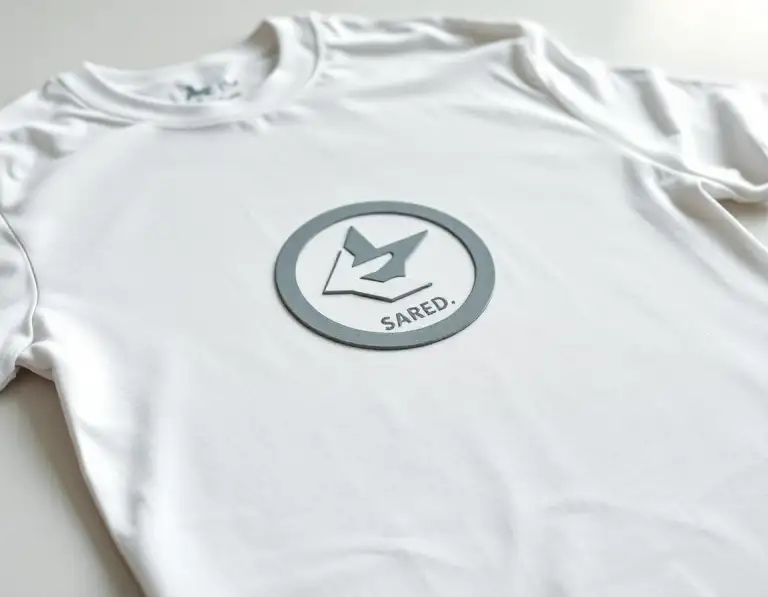
High Density Silicon T-Shirt With Logo
How High Density Silicon Printing Helps You Win More Confident Buyers
High density silicon screen printing gives your garments a visible and tactile upgrade. Logos look sharper, edges are clean, and the raised ink catches light in a way that flat prints simply cannot match. When a buyer runs a hand over the print, it instantly feels like a higher tier product.
This method also cuts risk on sportswear and technical fabrics. Silicone ink stretches and rebounds with the garment, so it resists cracking across shoulders, chest, or numbers on jerseys. That means fewer complaints about peeling or broken logos after a season of wear.
For you as a reseller or brand, this gives room to position products at a higher value level while defending your margins. You can set firmer minimums and feel more confident that what ships will match what you promised. Fewer failed prints and fewer problem reprints keep production smooth and relationships stronger.
What High Density Silicon Screen Printing Really Is And How It Works
At its core, high density screen printing is still screen printing. The difference is the type of ink and how it is layered.
Here is the printing process in simple steps:
- Artwork and screen setup
Your logo is separated, coated with emulsion, and burned onto a mesh screen. The stencil on the screen controls where the silicone ink passes through. - Silicone ink selection
A thick silicone ink is mixed with the proper catalyst mixing ratio and adjusted with thinner for the right viscosity, in the right color and finish. This is not the same as plastisol. Silicone ink cures differently and stays more flexible. - Layered printing
The printer lays down an under-coating first, then proceeds with layering the ink in passes through a thicker stencil. Each pass adds height. After each layer, the print undergoes a flash cure so it gels and can support the next layer. - Final curing
Once the desired height is reached, the garment goes through a longer heat cycle so the ink fully cures. The result is a strong bond to the fabric, with a raised and stretchy finish. - Optional transfer method
In some shops, this entire print is first built on a special PET film. Later, it is transferred to the garment with controlled heat and pressure. This is useful for tricky fabrics or complex logos.
When people search for “high density silicon printing” for apparel, they nearly always mean silicone ink, not raw silicon. Silicone is a flexible, rubber like material that works well on textiles.
Picture a performance hoodie with a chest logo that stands about 1 to 2 millimeters off the fabric, feels soft when you press it with your thumb, and still bends when you stretch the hoodie. That is the effect buyers are after.

High Density Silicon 3D Logo on green t-shirt
Key Features That Make Silicone Prints Feel Premium And Last Longer
High density silicone prints stand out because they mix style and performance.
First, there is the 3D height. Multiple ink layers create a clear edge and depth that looks almost sculpted, but the print still flexes. The surface can be smooth, matte, or glossy, depending on how the vendor finishes it with options like glossy silicone ink.
The feel is soft to the touch, not hard or plasticky. Since silicone ink is naturally flexible, the raised area bends with the fabric instead of sitting on top as a stiff block. This matters on garments that stretch around the body, like compression tops or fitted hoodies.
Silicone also stretches strongly without cracking, thanks to its superior elasticity. This is one of its main advantages over many standard inks. On polyester and blends, silicone forms a stable bond that resists peeling when pulled across shoulders, numbers, or chest panels.
Color hold is another strength. Silicone ink holds bright colors well and can cover dark fabrics with solid opacity. That keeps logos readable and brand colors accurate after many washes.
All of this helps apparel brands keep their quality claims real. When a product page says “premium raised logo that lasts,” high density silicone printing makes that promise easier to keep.
Ink Types, Film Transfers, And Other Options You Can Choose From
When you talk to vendors about high density silicon screen printing, you will see a few main option sets. Avoid faux high density printing; choose genuine options for the best results.
- Direct silicone printing on the garment, best for stable fabrics and mid to larger logos.
- Silicone high density transfers on PET film, pressed later onto the garment. These work well for tricky fabrics or when you need flexible stock transfers.
You can also pick different finishes:
- Matte or gloss for different looks under light
- Clear or colored silicone for tone on tone designs or bold brand colors
- Different height profiles to adjust how tall and bold the logo feels
Behind the scenes, printers choose mesh counts and stencil thickness to control detail and height. As a buyer, you do not need to manage that. Your job is to describe fabric type, logo size, and how hard the garment will be used.
For performance leggings or compression tops, a lower profile print that still has texture often works best. For streetwear hoodies or fan merch, a taller logo can create more impact in photos and store displays.
A good vendor will guide you, but coming in with a clear idea of your product and usage helps match the right option from day one.

Silicon 3D Print on Orange T-Shirt
Why High Density Silicon Screen Printing Wins For Performance And Premium Apparel
Performance and premium apparel have a tough mix of needs. The garment must look sharp, move freely, and survive real use. High density silicon screen printing checks all three.
On stretch fabrics like polyester, spandex, and blends, silicone ink moves with the garment. Where a standard plastisol print might crack across shoulders or chest after some hard training, a silicone print provides enhanced durability. That keeps sponsor logos, team names, and brand marks clean for far longer.
The raised effect helps premium lines stand out. When a buyer compares two black hoodies online, the one with a raised, detailed logo often feels more “worth it,” even before they touch it. In store, 3D silicone logos catch light and shadow and draw the eye more than a flat print.
This method also supports brand image. If a customer washes a performance shirt many times and the logo still looks nearly new, trust goes up. That trust turns into repeat orders, team reorders, and longer contracts for resellers who offer this level of decoration.
For corporate merch, sports organizations, gyms, outdoor brands, and street labels, silicone prints help reduce risk, raise perceived value, and build a product line that looks consistent season after season.
Real World Wins: How Brands And Resellers Gain With Silicone Prints
Picture a gym chain that outfits staff in fitted performance tees. With regular plastisol, the logo across the chest starts to crack once shirts see heavy training, cleaning, and dryer cycles. Switching to a high density silicone print keeps the logo intact, so the staff still look sharp on the floor.
Or think about a streetwear label that depends on social photos. A flat print often dies in pictures, especially on dark colors. A raised silicone logo, with light catching its edges, photographs like a premium badge and gets more attention in feeds.
For teamwear, jersey numbers are a stress point. They stretch when players move and take contact. Silicone numbers flex with the fabric, which means less peeling and fewer last minute replacements right before big games.
Now look at a Iron Peak Merch. They supply uniforms to a regional sports league. Their old plastisol prints started to crack mid season, and a key client threatened to switch suppliers. Iron Peak tested high density silicon screen printing on the next jersey run. The new logos stayed sharp after months of play and washing. The league noticed the upgrade and renewed with Iron Peak for additional seasons, trusting that their brand marks and sponsor logos would keep looking strong.
How To Compare High Density Silicon Printing Vendors Without Guessing
Not all printers handle high density silicon screen printing at the same level. To avoid guesswork, focus on a few key areas.
First, ask about experience with silicone on your fabric types. Polyester, blends, and nylon behave differently. A solid vendor will explain how they test and adjust for each one.
Next, look at their artwork support and proofing process. You want a clear path from your vector file to a print ready setup. Ask if they provide digital mocks and physical samples before full production.
Quality and consistency are central. Good vendors will talk openly about their handling of screen printing materials and:
- Curing methods they use for silicone ink
- How they perform wash testing and stretch testing
- How they handle fine detail, small text, or complex multi color logos with off-contact adjustment
- How they manage screen printing materials for optimal results
Discuss sample availability and fabric testing. A serious shop will suggest test prints on your actual garment fabric, especially if it has coatings or special finishes.
Production capacity and communication also matter. Local suppliers can be easier to reach and may give faster feedback. Overseas partners may offer broader capacity but need clearer specs and more structured timelines for shipping and approvals.
See Also: 3D Logo on Hats: How Liquid 3D™ Transforms Custom Headwear Decoration
When you compare vendors, you are really comparing risk levels. Strong process, clear communication, and proofed samples reduce surprises and protect your brand.
How High Density Screen Printing Stacks Up Against Other Print Methods
Buyers often ask how high density silicone print compares to standard plastisol, water based ink, heat transfer vinyl, or puff ink. Each method has strengths. The right choice depends on the fabric, design, and wear expectations.
Here is a simple comparison:
| Method | Feel & Look | Durability & Stretch | Best For Fabrics |
|---|---|---|---|
| High density silicone screen printing | Soft, raised 3D, clean edges | Very durable, high stretch | Polyester, blends, stretch |
| Standard plastisol inks screen print | Thicker, can feel plasticky | Durable, limited stretch | Cotton, some blends |
| Water based screen print | Thin, flat, very soft | Softer durability, can fade | Cotton, light blends |
| Heat transfer vinyl (HTV) | Flat or slightly raised sheet | Can crack on heavy stretch | Simple logos, small runs |
| Puff ink screen print | Spongy raised effect | Medium durability, soft puff | Cotton, fashion pieces |
High density silicon screen printing usually has higher setup complexity, but it pays off on technical garments that need real stretch and long lasting logos. Standard plastisol is fine for basic cotton tees where cost and speed matter more than 3D texture. Water based works well when you want a very soft, flat feel on cotton, but it will not give the same bold raised logo.
See Also: Puff Printing
When you choose, think less about the ink name and more about the performance you need on the final product.
Simple Path To Get Started With High Density Silicon Screen Printing
Getting started with high density silicon screen printing does not have to be confusing. A clear step plan keeps projects moving and reduces rework.
- Clarify fabrics and end use
List the garment types, fabric blends, and how they will be used for your textile products. Training, casual wear, outdoor, or staff uniforms all place different stress on prints. - Gather logos and design specs
Collect vector artwork, color targets, and any notes on finishes like matte or gloss. Decide if you want raised logos, numbers, or both. - Choose logo size and placement
Decide on chest, sleeve, shoulder, leg, or hood placement. Sizes often differ for youth and adult cuts, so map that out early. - Request samples or test prints
Ask for strike offs on your actual garment fabric or a close match. This is where you check feel, height, color, and stretch. - Approve preproduction proofs
Review digital mocks and physical samples together. Confirm artwork, placement, finishes, and curing temperature in writing with your vendor. - Plan production timing
Talk through production and shipping timing with your vendor. Build in space for sample approval so your season or campaign stays on track.
If you are a reseller, you can white label this service from a trusted print partner, so your clients see you as the source of premium raised logos.
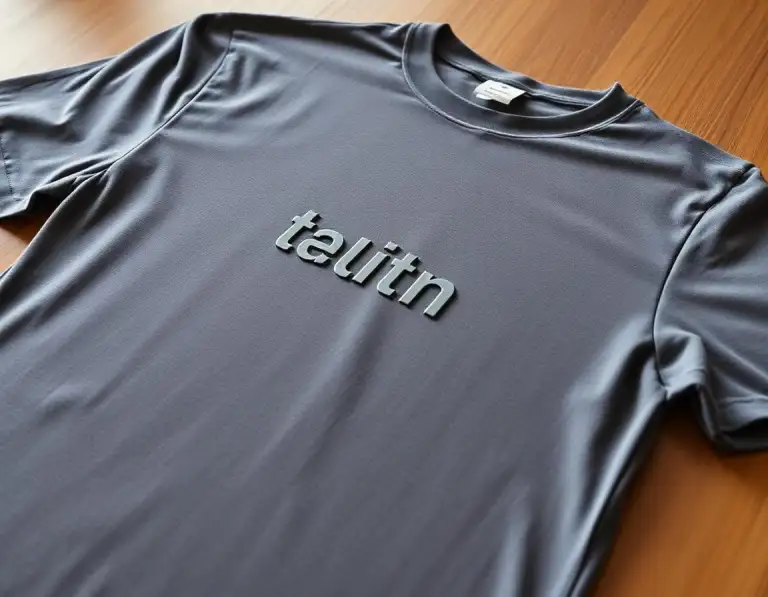
3D Silicon Logo on Gray T-Shirt
What You Need Ready Before You Place Your First High Density Silicone Print Order
Before you place your first high density silicone print order, having clear specs will save a lot of back and forth.
Start with vector artwork in formats like AI, EPS, or high quality PDF. This lets the printer create clean screens and hold sharp edges, especially at smaller sizes.
Share fabric details for every garment, such as fiber content and any special coatings. A simple product sheet or label photo can help your vendor choose the right ink setup and test method.
Provide color targets for both ink and garment. Brand color codes are helpful, but physical color swatches or an existing product are even better for matching.
Plan your size runs and placements in advance. Note any changes in logo size between youth and adult, or between tees and hoodies. Consistency here prevents mistakes.
Finally, talk about delivery timing. Let your vendor know when garments need to be in hand, and work backward for approvals, sampling, and shipping. Clear specs and sensible timing reduce stress and keep your first silicone project smooth.
Pro Tips From The Shop Floor For Better High Density Silicon Results
Printers who work with high density silicon screen printing every day see patterns in what works and what causes trouble. A few simple habits on the buyer side can make your projects smoother.
Choose placements that match fabric behavior. For example, chest and upper back usually move less than lower torso or mid sleeve. If you place a very thick, tall print right across a heavy stretch zone, it may feel stiff even with silicone ink, unlike the soft results from a puff additive.
Match design thickness to fabric weight. A super tall logo can look perfect on a heavy hoodie, but may feel bulky on a light running tee. Talk with your vendor about height options so the print fits the garment.
Request test prints on problem fabrics like nylon shells, highly brushed fleece, or treated polyester. Some finishes can affect ink adhesion. A small test run gives early feedback before you commit to full production.
Agree on wash test standards before you start. That can include how many cycles the test garment goes through and what you will count as a pass. When both sides share the same expectations, you avoid arguments later.
Lastly, share real photos or samples of how the garment will be used. The more a vendor understands the environment and stress on the product, the better they can tune mesh, curing, catalyst mixing ratio, thinner, and fumed silica settings behind the scenes.
Smart Habits That Keep Your Silicone Logos Looking Sharp For Longer
Once the product is in your buyers’ hands, a few simple habits will extend the life of high density silicone screen printing.
First, respect the care labels. Share plain language care tips with your customers, such as turning garments inside out before washing and avoiding very harsh drying cycles. This reduces friction between the raised print and other garments.
Keep an eye on high abrasion areas. For example, backpack straps rubbing on shoulder logos, or weight belts rubbing against lower back prints. If you expect heavy abrasion, discuss placement choices with your vendor so you are not putting tall logos where they will be scraped all season.
When using new fabrics or special finishes, push for early test runs. That way, if the fabric coating affects ink bonding, you find out in a sample, not in a full league or company order.
For compression garments, ask your vendor for guidance on design size and line weight. Very thin lines can look great but may behave differently when stretched a lot.
These habits help your silicone logos stay bright and sharp, which protects your brand image and keeps your buyers happy.
How High Density Silicone Logos Show Up In Real Apparel Projects
High density silicon screen printing shows its strengths across a wide range of products. Seeing it in context makes decisions easier.
On compression leggings, high density silicone logos on the hip or lower leg give a clear brand mark without digging into the skin. The ink stretches with the fabric, and the texture helps the logo stand out in gym and outdoor photos.
On soccer jerseys, high density silicone can be used for crests and sponsor logos. The 3D effect makes graphics pop on media shots and broadcast, and the stretch keeps prints intact when jerseys are pulled and grabbed in play. Sponsors get stronger visibility, and teams look sharper for longer.
For outdoor jackets, silicone logos on chest or sleeves stand up to light rain, wind, and pack straps better than many flat prints. The soft but durable surface suits technical shells, so you can brand premium outerwear without making it feel cheap.
On premium fan merch hoodies, a bold raised silicone front logo instantly changes the perceived value. Fans feel like they are buying something closer to team issue gear than a basic print. That supports stronger sell through from your online store or retail wall.

Black and Yellow T-Shirt With Silicon 3D Lehtoryt Logo
How One Sports Brand Turned Peeling Logos Into Long Lasting Silicone Prints
Meet our sports brand customer, Northline Athletics. They sell team jerseys to clubs and schools. For a long time, they used standard plastisol prints on polyester uniforms.
Over time, customer service started to see the same messages. Logos were cracking, numbers were peeling near the edges, and some sponsors complained that their marks looked worn out mid season. Northline knew they could not keep growing if teams were unhappy with the branding.
They partnered with a vendor that specialized in high density silicon screen printing. Together, they tested silicone logos and numbers on Northline’s main jersey fabrics. They adjusted logo height and placement, then ran wash and stretch tests before any full orders.
The result was clear. Silicone logos stayed smooth and readable after heavy play and repeat washing. Numbers bent with the fabric without breaking at the edges. Teams noticed the upgrade and started giving positive feedback.
Over the next few seasons, Northline used silicone prints as a selling point. Customer complaints dropped, repeat team orders rose, and sponsor confidence improved because the durability of logos kept them visible all season.
Layered Texture, Bold Branding: Deep Dive Topic Around Raised Effect Silicone Logos
Raised silicone logos are not just about durability. They are a strong design and branding tool.
When printers build layers of silicone ink by layering the ink, they create a small wall of color that catches light and shadow. This layered texture helps logos stand out both in person and on camera. The edges look crisp, and the surface can be tuned to matte or glossy silicone ink depending on your brand style.
Current performance and streetwear trends favor dimensional design in prints and trims that have real dimension. Buyers are used to molded rubber badges, woven patches, and 3D embroidery. High density silicon screen printing fits right into this trend, but with more flexibility on stretch fabrics.
Designers should think about line weight and spacing. Simple, bold logos with clear gaps between elements print best at higher heights. Very tiny text or ultra thin lines can still work, but may need a lower profile to stay clean and readable.
Color also plays a role. Tone on tone raised silicone, like black on black or navy on navy, creates a subtle, premium effect when light hits the edges. High contrast colors, like white silicone on black fabric, give maximum impact for sports teams and fan gear.
When you plan your next brand refresh or capsule drop, treating the logo as a 3D object instead of a flat graphic opens up new looks across your range.
Heat Transfer Films And Technical Fabrics In High Density Silicon Printing
Many suppliers build high density silicone prints on PET film first, then apply them to garments with heat. These are called heat transfer silicone screen print transfers, and they are very useful for technical fabrics.
Lightweight polyester, nylon shells, and certain blends can be tricky for direct printing. They may react to heat, or they may not sit flat on the press. By printing on film first, the vendor controls the build and curing of the silicone away from the garment, then moves the finished logo onto the fabric with a heat press.
During transfer, three things are key: heat, pressure, and time. Vendors tune these for the fabric, so the silicone achieves strong adhesion without damaging the garment or crushing the raised profile.
This route is great when:
- You need consistent logos across many garment types
- You work with fabrics that do not like high contact from screens
- You want to stock pre made logos for fast application on demand
For modern performance fabrics with coatings, membranes, or very fine yarns, silicone transfers bring stability and control. You get the same raised, flexible effect of high density screen printing, but with a safer and more repeatable path to application.
Fine Detail, Color Pop, And Stretch: Extra Benefits Of Silicone Transfers
Silicone transfers bring extra benefits that matter for sponsors and high visibility branding, offering genuine quality that surpasses faux high density printing approaches.
Because the design is printed on film in a controlled setup, printers can hit very fine detail and tight registration in multi color logos. Edges stay sharp, and colors sit exactly where they should. That is a big plus for complex sports or corporate marks.
Silicone transfers can also integrate reflective or metallic elements alongside standard colors. This is useful for running gear, outdoor apparel, or any product that needs visibility in low light while still looking premium.
On compression garments, transfers provide stable stretching and elasticity. The raised silicone design moves with the fabric and snaps back without cracking when athletes bend or twist. That keeps sponsor logos and team marks clean during training and competition.
The key idea: Transfers are simply one way to apply the same high density silicone ink technology. You get the same raised, soft, and durable feel, but with extra control on tricky garments and complex art.
High Density Silicon Screen Printing FAQ For Smart Apparel Buyers
This section answers the most common questions B2B buyers and resellers ask before they commit to high density silicon screen printing. Use it as a quick reference when you talk with vendors, plan new products, or explain options to your own clients.
What is high density silicon screen printing in simple terms?
High density screen printing is a printing method that uses thick silicone ink to build a raised, 3D effect on fabric. The print stands up from the garment, feels soft and rubbery, and stretches with the fabric instead of cracking.
How long does a high density silicone print usually last on apparel?
A high density silicone print is built for long wear, so it resists cracking, peeling, and fading far better than many standard inks. When applied correctly and cared for with normal washing, its durability will usually outlast the life of the garment in regular use.
Which fabrics work best with high density silicon screen printing?
High density silicon screen printing works especially well on polyester, spandex blends, performance knits, and many textile products. It also performs well on cotton and cotton blends, but its real advantage shows on stretchy and synthetic materials where standard inks struggle.
How is a high density silicone print different from puff or rubberized prints?
Puff inks create a soft, spongy raised effect that can feel airy and less structured, while a high density silicone print has firmer edges, more defined height, and much better stretch resistance. Rubberized prints can feel stiff and flat by comparison, especially on fitted garments, unlike faux high density printing options.
Does high density silicon screen printing hold up in frequent washing?
Yes, high density silicon screen printing is designed for frequent washing, especially on performance apparel. When the ink is fully cured at the proper curing temperature and the garment is washed according to care labels, the print keeps its shape, color, and height far longer than many flat prints.
Are there design limits with high density silicone screen print transfers?
Heat transfer silicone can handle fine lines and multi color logos, but there are practical limits. Extremely tiny text or very thin lines may need a lower print height or a slight design adjustment to stay clean and readable after curing and stretching.
What apparel categories benefit most from high density silicon screen printing?
High density silicon screen printing is a strong choice for sports jerseys, compression wear, gym apparel, outdoor jackets, corporate performance polos, and premium fan merch. Any product that mixes stretch, heavy use, and a need for bold branding is a good fit.
How does high density silicon screen printing compare to standard plastisol on performance wear?
On performance wear, high density silicon screen printing usually beats plastisol inks for stretch, feel, and long term appearance. Silicone bends with the garment and keeps logos intact, while plastisol can crack or feel heavy when the fabric stretches around the body.
Can I get matte and gloss effects with high density silicone print logos?
Yes, you can choose matte, gloss, or even mixed finishes within high density silicone print logos. Matte gives a subtle technical look, while glossy silicone ink catches more light for bold branding, and your vendor can guide finish choices based on your fabric and design.
What should I ask a vendor before ordering high density silicon screen printing?
Ask about their experience with silicone, what fabrics they have tested, how they cure and wash test prints, and whether they offer high density silicone print transfers as well as direct printing. Request samples on similar fabrics to yours so you can check feel, stretch, and color before committing.
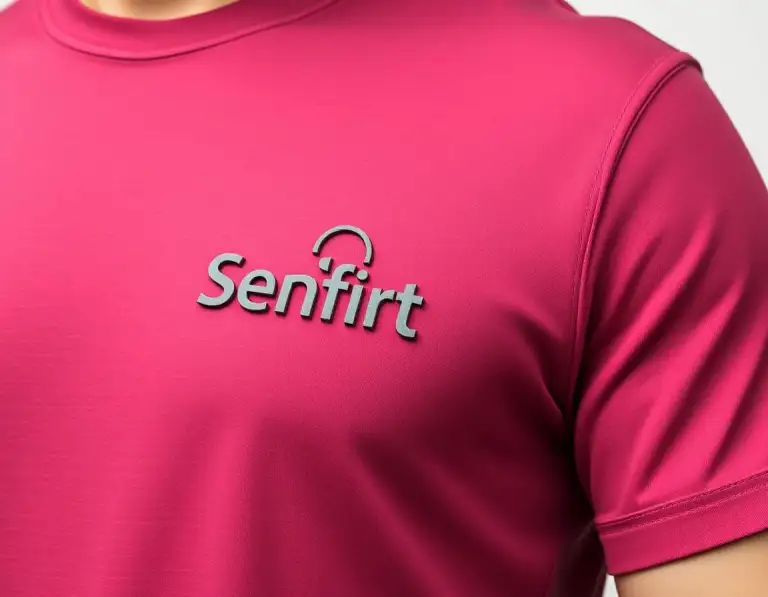
Pink T-Shirt With 3D High Density Print
Ready To Upgrade Your Apparel With Raised Silicone Printing
If you are tired of cracked logos, flat prints, and merch that feels generic, high density silicone screen printing gives you a clear path forward. It turns your graphics into raised, flexible marks that match the quality of the garments you are selling.
Now is a good time to reach out to a trusted silicone print partner, request sample logos, and see the difference in your own hands. Share one or two current projects, like a team jersey run or a new line of performance tees, and ask how raised logos could lift the result.
You will see the main benefits quickly. Silicone ink delivers durable stretch, long lasting brand colors, and a premium feel that helps your garments stand apart from basic prints. The right partner can also support you with artwork tweaks and fabric testing so you move with confidence.
Brands that shift to raised silicone decoration now will stand ahead of competitors still relying on screen printing. Your next catalog, sponsor pack, or merch drop can be the one that shows that difference.
High density silicone screen printing gives modern apparel what it needs most: 3D texture, strong stretch, and logos that keep looking sharp on performance and premium garments. It turns standard graphics into raised marks that stand up to training, travel, and daily wear.
When you understand how the process works, which options you can choose, and how to compare vendors, you avoid slow trial and error. Instead, you move straight to reliable, repeatable quality.
You are now ready to plan your next project with raised branding using silicone ink, select the right partner, and offer buyers a product that truly feels a step above your old flat prints. Give us a call today (908) 806-8337 or ask for a quote!

No Comments