


B2B Screen Printing on Shirts: Bulk Order Quality, Consistent Color, On‑Time Delivery
Need shirts that look sharp, wear well, and arrive on time? For B2B teams, screen printing on shirts delivers bold color, durable prints, and cost control at scale. It supports strict brand standards, handles complex color needs, and keeps per-unit costs predictable for large runs.
Marketing, operations, procurement, and agencies want fewer variables and fewer headaches. You need reliable proofs, steady pricing, and a production plan that matches your launch date. You also want consistent color across sizes, fabrics, and regions.
That is where AMBRO Manufacturing fits. We focus on bulk orders with color-true inks, tight registration, and clean edges that hold up to repeated washing. Our team turns quotes fast, provides clear digital proofs, and ships on a schedule you can plan around. Eco-minded options are available, including water-based inks and responsible sourcing.
This post gives you a practical path, not a DIY tutorial. You will see how screen printing compares for durability and cost at volume, what impacts pricing, and how to plan timelines for approvals and delivery. You will learn how to pick a vendor that stands behind their work, how to read a quote with confidence, how to align production with your event or launch, and why AMBRO Manufacturing is a strong partner for quality, speed, and scale.
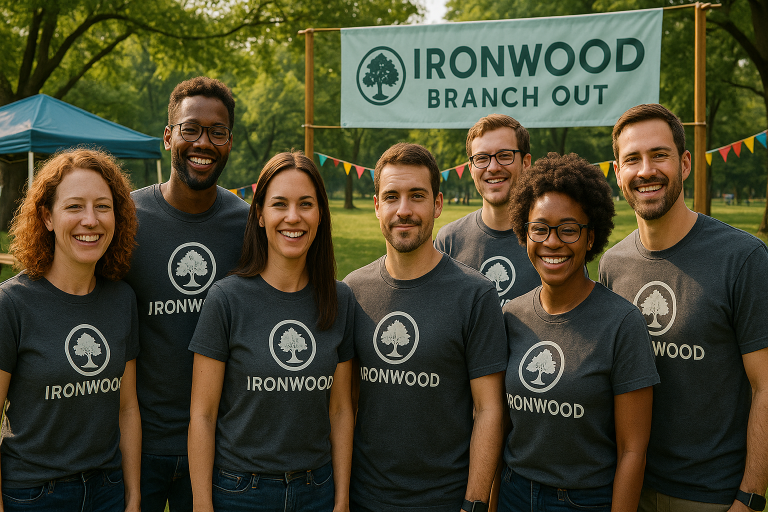
A group of coworkers wearing matching company t-shirts
Table of Contents
Why Screen Printing on Shirts is the Best Fit for Bulk Branded Apparel
How to Choose a Screen Printing Partner You Can Trust
Screen Printing Pricing for Shirts: What Drives Your Quote
Rush Order T-Shirts for Quick Turnaround Needs
From PO to Delivery: A Smooth Production Timeline for Bulk Screen Printed Shirts
Why Choose AMBRO Manufacturing for Screen Printing on Shirts
Frequently Asked Questions About Screen Printing on Shirts for B2B Buyers
Why Screen Printing on Shirts is the Best Fit for Bulk Branded Apparel
When you need branded shirts at scale, you want clean color, consistent results, and pricing that holds up under procurement scrutiny. Screen printing on shirts checks all three boxes. It handles large orders with confidence, supports strict brand colors, and produces a retail-quality finish your team will wear with pride. For launches, events, and ongoing programs, it gives you predictability without sacrificing look or feel.
Durable, Retail-Quality Prints That Hold Up to Wear and Wash
Uniforms, promo tees, and crew gear take a beating. They face sweat, sunlight, and countless wash cycles. Screen printing is built for this routine. The inks bond well, the prints sit with a tactile hand, and the finish stays sharp after repeat wear.
Longevity starts with the vendor. The right shop confirms materials, cures inks correctly, and tests samples before full production. That means your logo does not crack, fade, or peel after a few weeks in the field.
For B2B buyers, this translates into fewer replacements and a better brand image over time:
- Staff uniforms: Clean, consistent prints that hold their color through shifts and wash days.
- Event merch: Tees that still look great after the conference, which reflects well on your brand.
- Sales kits: Retail-quality prints that match the polish of your presentation.
Ask vendors about their curing standards, wash testing, and print approvals. You want a partner who treats durability as part of quality control, not an afterthought.
Lower Cost per Shirt at Higher Volumes
Screen printing shines at volume. Once a vendor sets the screens and aligns your artwork, the cost to print each shirt drops fast. You get real economies of scale, especially on 100, 250, 500, or more.
Keep pricing simple and predictable by focusing on the big levers:
- Setup spreads over the run: Larger quantities reduce the setup cost per unit.
- Color count: Each ink color adds setup time and press time.
- Print locations: Front, back, sleeve, or inside neck tags add to the total.
- Garment choice: Premium blanks raise unit cost but may improve comfort and brand perception.
A quick way to compare options is to line up your priorities against cost drivers:
| Decision Point | Impact on Cost | Buyer Tip |
|---|---|---|
| Quantity | High | Consolidate orders to hit price breaks. |
| Number of Colors | Medium-High | Keep core art simple for bulk runs. |
| Number of Locations | Medium | Limit to the placements that matter most. |
| Garment Quality Tier | Medium-High | Match the fabric to the audience and use. |
If you need savings, start with color count and placements. If you need premium impact, invest in the garment. A good vendor will quote both paths so you can choose with clarity.
Pantone Color Matching for Brand-Safe Colors
Brand color is non-negotiable. Screen printing on shirts supports Pantone matching, which helps you lock in logo colors across every size and box. Vendors mix inks to match your Pantone codes, then provide proofs and strike-offs for approval.
Approvals are key. They protect your brand and your timeline:
- Digital proof: Confirms design placement, scale, and color targets.
- Physical sample or swatch: Confirms color in real light and on real fabric.
Color control matters even more when your program spans different shirt colors or fabrics. The right shop will adjust ink formulas or underbases to keep your brand color reading true on white, gray, or black tees. Ask how they handle approvals and whether they use Pantone references on every job ticket. Consistent process means consistent color from run to run.
Works Across Cotton, Blends, and Performance Tees
You may need soft ringspun cotton for an event, durable blends for facilities teams, or moisture-wicking tees for field crews. Screen printing adapts across these fabrics when the vendor selects the right ink and print method for the job.
Here is a simple framework for fabric planning:
- 100% cotton: Great print clarity and strong color. Ideal for retail feel.
- Cotton/poly blends: Balanced comfort and durability for daily wear.
- Performance fabrics: Lightweight and quick-dry for active teams.
The same design can look different on light and dark garments. A vendor that knows how to choose inks for each base color will keep detail crisp and tones accurate. Ask for fabric recommendations during quoting, not after. You will avoid surprises, protect your budget, and keep timelines intact.
When you want consistency across mixed fabrics, request a sample set or a small pilot run. It is a fast way to confirm color and hand feel before you roll into full production.
In short, if you need reliable quality, brand-safe color, and cost control at volume, screen printing on shirts fits the brief. Pair it with a vendor that prioritizes approvals, tests for durability, and communicates clearly from quote to ship date.

Two colleagues from Glyph Studio collaborating on a custom t-shirt
How to Choose a Screen Printing Partner You Can Trust
Your shirts carry your brand into the world. The right partner protects that brand with reliable process, clear approvals, and on-time delivery. Use this checklist to pick a vendor that treats your order like a program, not a one-off. If you buy screen printing on shirts for events, retail, or teams, these signals separate dependable shops from risky bets.
Quality Controls You Can Verify
Look for simple, visible habits that prove a shop runs tight. You should not need a plant tour to spot quality.
- Consistent proofs: You get the same format every time, with scale, placements, and Pantone targets in plain view. No last-minute art swaps.
- Clear print specs: Job tickets list mesh count, ink type, underbase, flash, and cure temps. Specs follow your garment and fabric, not a guess.
- Documented checks: There is a checklist for first article, mid-run pulls, and final counts. Sign-offs are saved with your job.
- Trackable approvals: Dates are stamped when you approve art and color. The timeline is visible to both teams.
- Willingness to show samples: They share past work, strike-offs, or a pre-pro sample when it matters. You can see print clarity and color accuracy.
- Clean press discipline: Photos or samples show tight registration, no pinholes, and smooth underbases. Edges look crisp, not fuzzy.
- Repeatability: They keep films, screens, and mix formulas on file. Reorders match originals without a reset.
If a shop can show you proofs, specs, and checks on demand, you are in safer hands.
Proofs, Samples, and Color Approvals That Remove Guesswork
Approvals reduce risk. They protect your budget and your timeline.
- Digital proof: A good proof shows size, exact placements, and Pantone callouts. It sets the target for production, so your team knows what will ship.
- Pantone callouts: Color numbers remove opinion from the process. The press team mixes to your codes, not a monitor. Your red stays your red across cotton, blends, and dark tees.
- Strike-off or swatch: A small print on the real fabric confirms ink opacity, hand feel, and color on that shirt color. This is fast and cost-effective.
- Pre-production sample: Use a full sample when the order is large, the art is complex, or the fabric is new to your program. It is smart for 3+ colors, tight halftones, soft-hand requests, or when stakeholders need to touch the result.
When to request a pre-pro sample:
- First job with a new vendor.
- Orders over 500 units or high-value garments.
- Color-critical logos on dark garments.
- Mixed fabrics in the same program.
- Specialty inks or finishes, like puff or metallic.
A simple workflow keeps things tight: approve the digital proof, review a strike-off with Pantone notes, then greenlight production. If any element changes, ask for an updated proof. No surprises.
Capacity, Deadlines, and On-Time Delivery
Production strength matters. Before you book, confirm how the shop handles volume and speed.
- Ask for current lead times by quantity and color count.
- Confirm rush options, fees, and cutoffs for art approvals and purchase orders.
- Request a calendar with any blackout dates for maintenance, inventory, or holidays.
- Note seasonal spikes: spring events, back-to-school, Q4 promos, and year-end gifting. Capacity gets tight fast.
- Flag event-driven demand: trade shows, product launches, and sports tournaments. Lock in press time early.
Here is a simple view that can help you plan. These are common ranges, and actual timing depends on art, garments, and approval speed.
| Order Size | Typical Lead Time After Approval | Notes |
|---|---|---|
| 50 to 250 shirts | 5 to 7 business days | Add 1 to 2 days for specialty inks. |
| 250 to 1,000 shirts | 7 to 10 business days | Watch color count and multiple locations. |
| 1,000+ shirts | 10 to 15 business days | Reserve press time in advance. |
| Rush production | 2 to 4 business days | Capacity-based, rush fees apply. |
Two tips keep timelines honest:
- Freeze art early: Every change resets the clock. Approve once, print once.
- Ship in waves: If you have multiple sites, stagger shipments. Your teams get product sooner, and you protect the event date.
Compliance, Sustainability, and Vendor Insurance
Risk sits with the brand. Reduce it with basic paperwork and clear standards.
- Ink and chemical documentation: Request data sheets and safety info for plastisol, water-based, or discharge inks. Ask for phthalate-free and PVC-free options when needed.
- Youth and region rules: If your shirts are for kids, ask for CPSIA tracking and proper labeling. For California, request Prop 65 warnings if they apply.
- Labeling and care: Confirm fiber content, country of origin, and care instructions when printing inside neck tags. Keep it accurate and consistent.
- Sustainability stance: If you need lower-impact choices, ask for water-based inks, recycled poly garments, or certified suppliers. Get it in writing.
- Vendor insurance: Ask for a current certificate of insurance with your company named as certificate holder. General liability and product liability should be active and adequate.
These checks protect your brand, your buyers, and your timeline. With the right partner, screen printing on shirts is clean, compliant, and delivered on schedule.

Executives at a Team Building Event Wearing Screen Printed Shirts
Screen Printing Pricing for Shirts: What Drives Your Quote
Pricing for B2B apparel should feel predictable, not puzzling. Screen printing on shirts rewards clear art, clean placements, and smart volume planning. If you understand the levers behind your quote, you can shape specs that hit your budget, protect your brand, and keep delivery on schedule.
Key Cost Drivers You Should Expect
Review these typical drivers before you request pricing. Each one shifts your unit cost up or down.
- Quantity: Higher volumes drop the unit price as setup spreads across more shirts.
- Number of colors: Each color requires a screen and a print pass, which raises both setup and press time.
- Print locations: Front, back, sleeves, and inside tags add handling and press cycles.
- Garment type: Premium ringspun, heavyweight, or performance fabrics cost more than basic cotton.
- Shirt color: Dark garments often need an underbase, which adds screens and time.
- Artwork complexity: Small text, tight gradients, or halftones can slow production and raise spoilage risk.
- Ink type: Water-based, discharge, metallic, or puff inks may add cost and cure time.
- Finishing services: Fold, bag, size stickers, or custom neck labels add per-unit fees.
- Rush production: Accelerated schedules require overtime and priority press time.
- Freight and split shipping: Multiple destinations and tighter delivery windows add handling and shipping costs.
Setup, Screens, and Art Prep Fees Explained
Setup costs cover the work that makes printing possible. You will see line items for art prep, color separations, films, and screens. These are one-time tasks for a given design, size, and placement, so they spread out across the entire run.
Here is how it plays out in practice:
- One-time screen fees: Each color and location needs a screen. On 48 shirts, that cost per unit is noticeable. On 500 shirts, it becomes small.
- Art prep and separations: Files are cleaned, trapped, and separated by color so the press can register them precisely. Clean vector art keeps this cost low.
- Reorders: If the art, size, ink colors, and placements do not change, you often skip or reduce setup on reorders. Many shops keep screens or film on file. You pay for new screens only when you change something.
- What triggers new setup: Size changes, added locations, new colors, complex revisions, or switching from light to dark garments will likely require new screens or separations.
Plan for setup early, then dilute it with volume. If you know a reorder is coming, quote both waves together to see how combined volumes reduce per-unit cost.
Smart Ways to Save Without Hurting Quality
You can trim spend without sacrificing brand standards. Tweak the specs, not the experience.
- Reduce color count: Aim for 1 to 2 spot colors for logos. Use smart design to keep impact high and costs lean.
- Combine orders: Group departments or events into one run. Mixed sizes and colors are fine as long as the art stays the same.
- Avoid tiny details: Very small type or fine halftones slow the press and raise defects. Increase line weight and simplify gradients.
- Choose standard placements: Front chest, full front, and full back print cleanly and quickly. Unusual placements add setup and handling time.
- Pick the right garment tier: Use a reliable midweight tee for most programs. Save premium blanks for VIP kits or retail.
- Match ink to garment color: Printing on lighter shirts often removes the need for an underbase, which lowers both setup and press time.
- Lock art early: Every revision touches proofs, separations, and schedules. Freeze the file before approvals.
- Skip extras unless needed: Bagging, tagging, and custom labels add cost. Use them when the audience or channel demands it.
Example: A 2-color front print on a midweight cotton tee, ordered as one 300-piece run, will price better than two 150-piece runs or a 4-color design.
MOQs and Typical Price Ranges for B2B Orders
Most B2B programs see savings at standard breakpoints. Use these as planning guides, then request an exact quote from AMBRO Manufacturing based on your art, garment, and timeline.
The estimates below reflect a standard midweight cotton tee with a 1-color front print, one location, and regular lead time.
| Quantity Break | Estimated Unit Range | What Changes the Range |
|---|---|---|
| 48 | $9.00 to $14.00 | Small run, setup has more impact. |
| 72 | $8.00 to $12.00 | Better spread of setup costs. |
| 144 | $6.50 to $10.00 | Core economy for many programs. |
| 300 | $5.50 to $9.00 | Strong value at scale. |
| 500+ | $4.75 to $8.50 | Best pricing with stable specs. |
Notes to keep estimates accurate:
- More colors or locations raise both setup and per-unit pricing.
- Premium or performance blanks increase garment cost.
- Underbases on dark shirts add screens and press time.
- Rush, finishing, and split shipping add to the total.
Send AMBRO Manufacturing your art, garment choice, quantities, and deadlines. You will get a precise quote, clear proofs, and a production plan that matches your date. That is how screen printing on shirts delivers value you can measure and quality you can see.
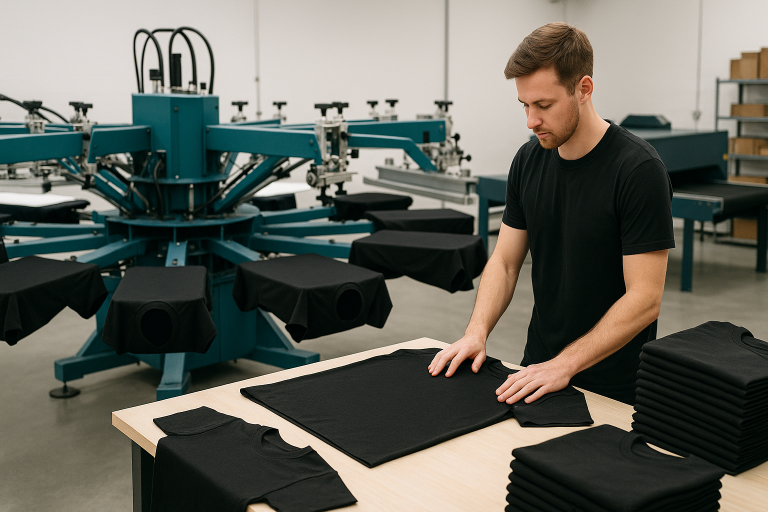
AMBRO Manufacturing rush programs with press capacity and in-stock garments
Rush Order T-Shirts for Quick Turnaround Needs
Last-minute events, surprise headcount, or a schedule change can put your merch plan on the clock. Rush production for screen printing on shirts is not guesswork, it is a tight process with clear approvals, locked specs, and a realistic ship date. Move fast, keep quality, and protect your brand with a plan that fits the deadline.
AMBRO Manufacturing runs structured rush programs with press capacity, in-stock garments, and clear checkpoints. If you have a date, we will back into it with the right speed, the right specs, and the right freight.
When a Rush Makes Sense
Rush is the smart choice when missing the date costs more than the fee. If you are heading to a trade show, launching a product, or staffing a field team, speed matters more than optional extras.
Use rush when:
- Your event is inside 2 weeks and you have final art.
- Garments are common styles and colors that can be sourced quickly.
- You can approve proofs the same day they arrive.
- You are open to partial shipments to hit key dates.
Skip rush if:
- Art is still in review or needs major changes.
- You need specialty finishes that extend cure and dry time.
- Garments require rare colors or sizes that are backordered.
Realistic Speeds for Rush Production
Timelines depend on quantity, color count, and garment stock. These ranges reflect press time after approvals and garment receipt.
| Rush Tier | Production Time After Approval | Typical Quantity Range | Notes |
|---|---|---|---|
| Same-week priority | 1 to 2 business days | Up to 250 | Simple art, in-stock garments only. |
| Express | 3 to 4 business days | 250 to 750 | 1 to 2 colors, 1 location preferred. |
| Accelerated | 5 business days | 750 to 1,500 | Reserve press time in advance. |
Cutoffs to hit these windows:
- Final art by 10 a.m. ET.
- Proof approval within 2 hours of receipt.
- PO and shipping details submitted with art.
Artwork and Specs That Speed Everything Up
Clean art and focused specs keep the press moving. Simplify where it helps, keep brand integrity where it counts.
- Vector files: AI, EPS, or high-res PDF with outlined fonts.
- Pantone callouts: Provide solid coated numbers for brand colors.
- Limit colors: 1 to 2 spot colors print faster and reduce risk.
- One placement: Front or back only when time is tight.
- Standard sizes: 10 to 12 inches wide for full front, 3.5 to 4 inches for left chest.
- No micro details: Avoid tiny text below 8 points or tight halftones.
If your logo is complex, ask for a rush-safe version. You protect legibility and keep approvals clean.
Rush Pricing and Smart Ways to Save
Rush adds cost for overtime, press priority, and handling. You still have levers to keep the budget in line.
- Reduce color count: Each color adds setup and time.
- Pick stock garments: Choose common brands, colors, and sizes.
- Consolidate placements: One location prints faster and costs less.
- Approve fast: Delays push you into a higher rush tier.
- Ship partials: Get what you need first, follow with the balance.
Typical rush fees are a percentage of the order or a flat tier fee based on speed. Ask for two quotes, one rush and one standard, so you can compare value against the deadline.
Shipping and Logistics That Protect the Date
Production speed is half the plan. Shipping makes or breaks the delivery.
- Split shipments: Send a portion to the event site and the rest to HQ.
- Carrier choices: Ground for nearby, 2-day or next-day for distance.
- Freight timing: Book pickup windows with buffer time for weather or traffic.
- Address accuracy: Provide full details, dock contacts, and delivery hours.
- Signature rules: Decide up front if delivery can release without a signature.
Example: Need 500 tees for a Friday show? Print 300 under Express, ship next-day to the venue, then ship the remaining 200 ground to your office.
Risk Control, From Proof to Packout
Speed without control invites mistakes. Tight checks keep quality high even when the clock is running.
- Single point of contact: One decision maker, one path to approval.
- Locked specs: Art, placements, and Pantone notes frozen before screens.
- First-article check: Photo or live video of the first print for same-day signoff.
- Count and pack discipline: Sizes confirmed against the PO, cartons labeled by size and destination.
- Contingency plan: Approved substitutions for out-of-stock sizes or colors.
If something changes, say it early. A small pivot on day one beats a big problem on day three.
AMBRO Manufacturing builds rush orders around clarity, speed, and brand safety. Send your art, quantities, garment preferences, and the date you must hit. You will get a fast plan, a clear proof, and shirts that arrive ready to wear.
From PO to Delivery: A Smooth Production Timeline for Bulk Screen Printed Shirts
A clean timeline keeps cost, quality, and delivery on track. Once your PO is in, the clock starts. The fastest path runs through quick artwork approvals, clear specs, and firm shipping details. Treat each step like a checkpoint, and your bulk order of screen printing on shirts moves with confidence and speed.
Artwork Check and Digital Proof
Proof approval is your control point. It locks what will print and when it will ship.
A professional proof includes:
- Placement: Exact location per garment, such as left chest, full front, back, or sleeve. Distance from collar and center alignment are stated.
- Size: Print dimensions in inches, scaled on the chosen shirt size. If sizes vary, a common size is shown with notes for XS through 3XL.
- Colors: Pantone callouts for each ink color, plus notes for underbase on dark garments. Any specialty ink is named.
- Garment details: Brand, style number, color, and fabric. This confirms the proof matches the PO.
- Revision log: Version control with dates, so nothing gets lost.
Who should sign off:
- Marketing or brand lead for color and brand integrity.
- Procurement or project owner for budget scope and specs.
- Agency partner if they manage creative or co-op funds.
- Final decision maker who owns the deadline.
One signoff channel wins. Assign a single approver who gathers feedback, confirms changes, and sends the final yes. Multiple approvers create delays and version confusion.
Standard Turnaround and Rush Options
Lead time starts after proof approval and garment receipt. The ranges below fit most B2B orders and assume common garments and 1 to 2 print locations.
| Service Level | Production Time After Approval | Best For | Notes |
|---|---|---|---|
| Standard | 5 to 10 business days | 50 to 1,000+ shirts | Add 1 to 2 days for dark tees or specialty inks. |
| Priority | 3 to 5 business days | 250 to 750 shirts | Limited color count and one location print help. |
| Express | 1 to 2 business days | Up to 250 shirts | In-stock garments, final art, and instant approvals. |
Rush paths exist, but they depend on fast approvals and clear files. A firm ship date requires:
- PO submitted with final art and Pantone codes.
- Proof approval within hours, not days.
- Confirmed garment stock or approved substitutions.
If the date is tight, simplify the spec. Fewer colors, one location, and a standard size range can cut days without hurting impact.
Finishing Services: Fold, Bag, Tag, and More
Retail-ready finishing speeds distribution and elevates the unboxing. Choose the touches that support your channel and budget.
High-value options:
- Individual fold and polybag: Protects garments in transit and keeps sets clean for kitted orders.
- Custom neck labeling: Printed or woven labels with brand, size, and care. Keep fiber content and country of origin accurate.
- Hangtags: Branded hangtags applied with plastic swift tacks. Ideal for retail or pop-up events.
- Size stickers: Visible size dots on the bag or garment fold. Speeds handout lines and retail restocking.
- Barcodes and SKUs: UPC or internal codes on bags or tags. Essential for retail and warehouse scanning.
- Pack-by-size: Pre-counted packs per size, such as 12 Small, 24 Medium, 24 Large. Cuts time at field locations.
- Pre-sorted by location or team: Cartons labeled for each site or group so field ops can hand out quickly.
Practical picks for B2B:
- Keep finishes consistent across reorders. Your teams will know what to expect.
- Add size stickers and pack-by-size for events. It removes bottlenecks at registration.
- Use barcodes when you have inventory systems or retail channels.
Shipping, Blind Ship, and Multi-Location Drops
Plan shipping with the same precision as production. Accurate details prevent last-minute scrambles and missed windows.
What to prepare:
- Addresses: Full street address, suite or dock instructions, contact name, phone, and delivery hours. Note any liftgate or appointment needs.
- Delivery windows: Provide a target arrival date and any blackout days. If there is an event setup, list the time window.
- Split shipments: Quantities by size per location, with a packing list for each destination. Share whether partials are allowed.
- Carton labels: Each box should list job name, style, color, size, quantity, and destination. Use large, legible type.
- Pallet rules: For large orders, ask for pallet counts, shrink wrap, and top sheets. Mark pallets by location when splitting.
About blind shipping:
- Blind ship means the shipment shows your agency or brand as the sender, not the production partner. It protects relationships and keeps pricing discreet.
- Include a custom packing slip with your logo, PO number, and return info. No vendor branding appears on labels or paperwork.
Smart logistics tips:
- Choose carriers by timeline and risk. Ground for close zones, 2-day for mid-range, next-day for critical dates.
- Add a buffer. Ship one or two days early when the venue has storage.
- Confirm who signs. Decide whether deliveries can release without a signature.
When these steps are set early, your order moves from press to packout to dock without friction. You get what you ordered, where you need it, on the date that matters. That is the mark of a reliable partner for screen printing on shirts at scale.
Why Choose AMBRO Manufacturing for Screen Printing on Shirts
You need a partner who protects your brand, understands deadlines, and delivers repeatable quality. AMBRO Manufacturing focuses on B2B programs where accuracy, scale, and service matter. From color-true inks to retail-ready finishing, we build each order around your standards, your schedule, and your end user.
Capabilities and Materials That Protect Your Brand
Brand color and print quality are non-negotiable. Our press teams use Pantone-guided color matching, calibrated screens, and documented setups to keep your logo consistent across sizes, fabrics, and reorders.
We print on cotton, blends, and performance tees using the right ink for the job:
- Water-based inks: Soft hand feel with a premium look, great on light garments.
- Plastisol: Durable, color-true, and reliable across a wide range of shirt colors.
- Specialty options: Discharge, puff, metallic, and soft-hand effects when the project calls for them.
Every job receives a clear proof with placements, print size, and Pantone callouts. Strike-offs or swatches are available to verify color on the exact garment. Specs, screen meshes, and ink formulas are saved to your account so repeat orders match the original without guesswork.
What this means for you:
- Color accuracy you can defend to stakeholders.
- Crisp detail with tight registration and smooth underbases.
- Reliable repeats across new sizes, seasons, and events.
If you are managing multiple brands or co-brands, we maintain separate profiles for each, including Pantone libraries and approved variants for dark and light shirts. Your brand stays protected, print after print.
Finishing and Fulfillment Built for Scale
Your team needs shirts that arrive organized and ready to move. We build finishing and packing into the plan so warehouses, stores, and event crews move faster with fewer touches.
Retail-ready options include:
- Individual fold and polybag to protect garments in transit.
- Custom neck labels with size, care, and brand details.
- Hangtags and size stickers for fast merchandising and handouts.
- Barcodes and SKUs applied to bags or tags for clean inventory intake.
For distribution, we kit and pack with the end user in mind:
- Pack-by-size or pre-counted size runs for quick allocation.
- Location-specific cartons labeled with job name, size breakdown, and destination.
- Multi-ship routing with partials allowed when deadlines demand it.
These touches cut receiving time, shrink line queues at events, and reduce inventory errors. Your team spends less time sorting and more time selling, staffing, or serving customers.
Service for Teams, Brands, and Agencies
Clear communication drives on-time delivery. You get a dedicated contact who guides the job from quote to ship and keeps every detail visible.
Here is the workflow:
- Fast quoting with garment options and pricing paths.
- Transparent approvals that show placements, Pantone targets, and garment specs.
- Proactive updates at key checkpoints, including first-article confirmation and ship notifications.
We treat on-time delivery as a core value. Schedules are built around firm approvals and stock confirmation, then tracked until the cartons leave the dock. If something changes, you hear about it early with practical options to keep the date.
Support fits how you buy:
- Agencies receive brand-safe proofs for client signoff.
- Corporate teams get standardized specs and reorder shortcuts.
- Event planners see timeline guardrails and partial ship options.
The result is simple. You know what will print, when it will ship, and where it will land.
Results and Use Cases by Industry
Screen printing on shirts performs across markets. Here are quick scenarios that mirror real programs and outcomes.
- Conferences and trade shows: A tech firm needs 1,200 event tees in two colors, split across three delivery points. We lock Pantone matches, run a pre-pro strike-off, and ship labeled cartons by location. The team hits setup day with shirts sorted and ready.
- Retail and pop-ups: A lifestyle brand wants a soft-hand print on ringspun cotton with custom neck labels and hangtags. Water-based ink gives a premium feel. Folded, bagged, and barcoded units flow into stores without rework.
- Corporate uniforms: A facilities company orders quarterly reprints for a multi-state staff. We store formulas and specs, then reorder on a set calendar. Prints match across dark and light garments, and cartons arrive by branch with pack-by-size for easy handoff.
- Schools and spirit wear: A district runs a spirit sale with mixed sizes and youth-adult ranges. We print a two-color design on blended tees, apply size stickers, and kit per school. The program sells through cleanly, and reorders drop in with no color drift.
- Nonprofits and fundraisers: A campaign needs 500 shirts in one week. We use a rush-friendly spec with one placement and two spot colors. Partial ships cover the kickoff, and the balance arrives two days later.
- Construction and field crews: A contractor wants high-visibility colors and durable prints for daily wear. Plastisol ink delivers strong opacity and longevity. Cartons arrive by job site, labeled by size and crew.
In each case, the path is consistent: brand-safe art, smart ink selection, retail-ready finishing, and disciplined logistics. That is how AMBRO Manufacturing helps B2B teams buy screen printing on shirts with confidence, speed, and measurable quality.
Frequently Asked Questions About Screen Printing on Shirts for B2B Buyers
How does screen printing on shirts deliver consistent brand color across large B2B orders?
Screen printing on shirts ensures color consistency through Pantone matching and controlled ink mixing. This keeps every shirt true to your brand’s approved color palette, even across different fabrics, sizes, or reorders.
What makes screen printing on shirts more durable than digital or heat-transfer printing?
Screen printing inks are cured into the fabric under high heat, creating a permanent bond that resists cracking and fading through repeated washing—ideal for uniforms, event shirts, and long-term corporate wear.
Why is screen printing the most cost-effective method for bulk T-shirt printing?
Once screens are set up, the cost per shirt drops significantly at higher volumes. This makes screen printing the most efficient and cost-stable option for B2B bulk apparel orders.
How do screen printing prices for shirts vary by quantity and color count?
Screen printing pricing depends on volume, number of colors, and print locations. Larger orders and fewer colors typically reduce the per-unit cost, while multi-color or multi-location prints increase setup and press time.
Can screen printing on shirts match Pantone colors for strict brand compliance?
Yes. AMBRO Manufacturing provides Pantone color matching for all screen printing jobs to ensure accurate, brand-safe reproduction across every garment and reorder.
What is the typical turnaround time for B2B screen printing orders on shirts?
Standard lead times range from 5 to 10 business days after proof approval, with rush options available in as little as 1–2 business days for time-sensitive events.
What types of fabrics work best for screen printing on shirts?
Screen printing performs beautifully on 100% cotton, cotton/poly blends, and performance tees. Each fabric requires tailored inks and curing methods to achieve clean color and long-lasting prints.
How do proofs and pre-production samples protect quality in screen printing?
Digital proofs and strike-off samples allow clients to verify design placement, color accuracy, and ink finish before full production—reducing risk and ensuring what you approve is what you receive.
How does AMBRO Manufacturing ensure quality control for bulk screen printing?
Each order follows a documented process including digital proofs, Pantone color verification, mid-run quality checks, and final count confirmation. This guarantees consistent quality across all shirts.
What factors influence the quote for screen printing on shirts?
Your quote depends on garment type, print size, number of colors, placement locations, and finishing options such as folding, bagging, or labeling. Rush production and multi-location shipping can also affect pricing.
Can I order eco-friendly screen printing on shirts for corporate apparel?
Absolutely. AMBRO Manufacturing offers water-based inks, recycled garment options, and responsible sourcing practices to meet sustainability goals without sacrificing print quality.
What finishing services are available for bulk screen printed shirts?
Finishing options include individual folding, polybagging, custom neck labeling, hangtags, size stickers, and barcode application—perfect for retail, events, or kitted distributions.
How does screen printing maintain accuracy for reorders or repeat B2B programs?
AMBRO saves all screen, film, and ink mix data per job, ensuring every reorder matches the original exactly—no color drift, no layout surprises, just consistent repeat results.
When is rush screen printing the right choice for business events?
Rush screen printing is ideal for trade shows, product launches, and field events with less than two weeks’ lead time. It ensures your shirts arrive on time without compromising quality.
Why choose AMBRO Manufacturing as your screen printing partner for shirts?
AMBRO Manufacturing specializes in B2B screen printing for scale, speed, and brand precision. With Pantone-guided inks, retail-quality results, and reliable shipping, you get shirts that look great and arrive ready to wear.
How to Request a Screen Printing Quote for Shirts with AMBRO Manufacturing: Fast, Accurate, and Brand-Safe Results
Durable prints, brand-true color, and unit costs that scale, that is the value you can take to your stakeholders. With the right partner, your shirts arrive ready to wear, neatly packed, and consistent across sizes, fabrics, and reorders. You protect budget, protect deadlines, and protect your brand, all in one plan.
Before you request pricing, gather a tight spec. It speeds quoting, shortens approvals, and keeps production on schedule.
- Quantity by size curve
- Garment brand, style, fabric, and color
- Print colors per location, plus Pantone codes
- Due date and in-hands date (if different)
- Shipping addresses, partials allowed, and delivery windows
- Finishing needs, like fold and bag, neck labels, or barcodes
Bring your team a simple choice: reliable quality, fast proofs, clear timelines. AMBRO Manufacturing builds around your standards, documents your colors, and saves your specs for repeatable results. That means fewer surprises, cleaner launches, and shirts people want to wear.
Ready for consistent quality at scale and color accuracy you can trust? Request a quote from AMBRO Manufacturing today for screen printing on shirts.

No Comments